
Surgeons
For ENT Surgeons and Upper Airway Specialists
Are you an Oroguard safer surgery specialist?
See Oroguard in Action
Watch the demonstration below to see how Oroguard is applied during upper airway surgery.
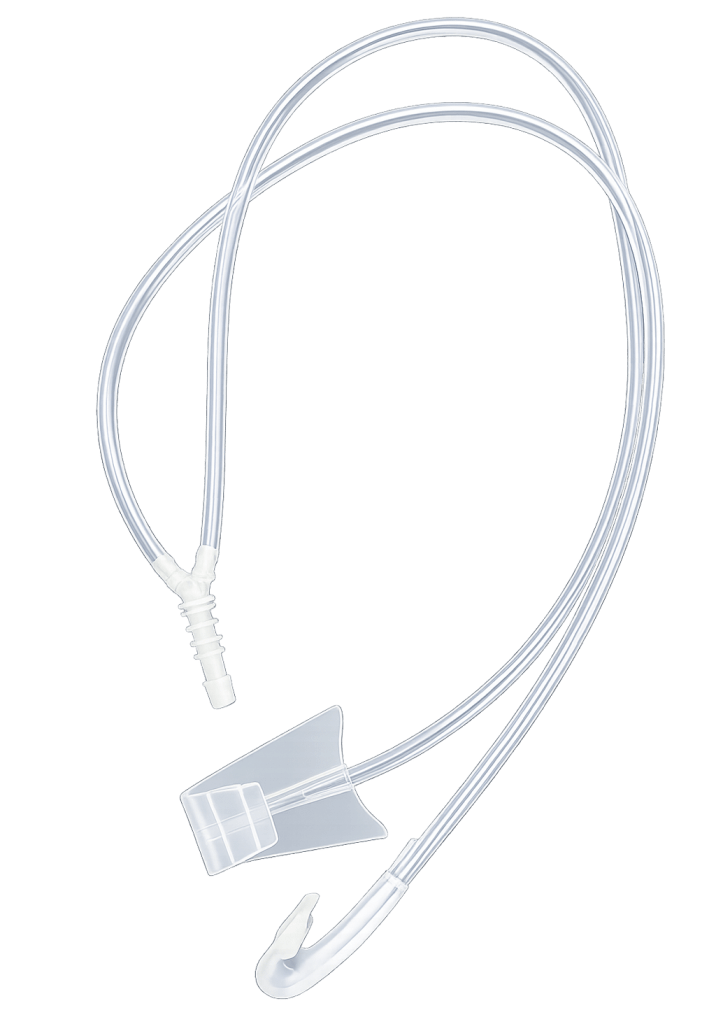
Oroguard is a patented surgical device devised for use in upper airway procedures. It gives surgeons a reliable way to support patient protection and surgical plume management, helping create a safer, cleaner, and clearer operating field.
The device is suitable for a range of procedures, including:
- Tonsillectomy and tonsillotomy
- Adenoidectomy
- Tongue surgery
- Palate surgery
- Any upper airway procedure
Patient Protection and Surgical Plume Management
Oroguard is the only surgical device that properly fulfils mandated requirements for patient protection and surgical plume evacuation in upper airway surgery. It supports safer patient operations while helping protect the surgical team from exposure to the surgical plume.
The design keeps things straightforward. Oroguard is one-size-fits-all, single-use, and disposable, so it fits easily into your existing theatre workflow.
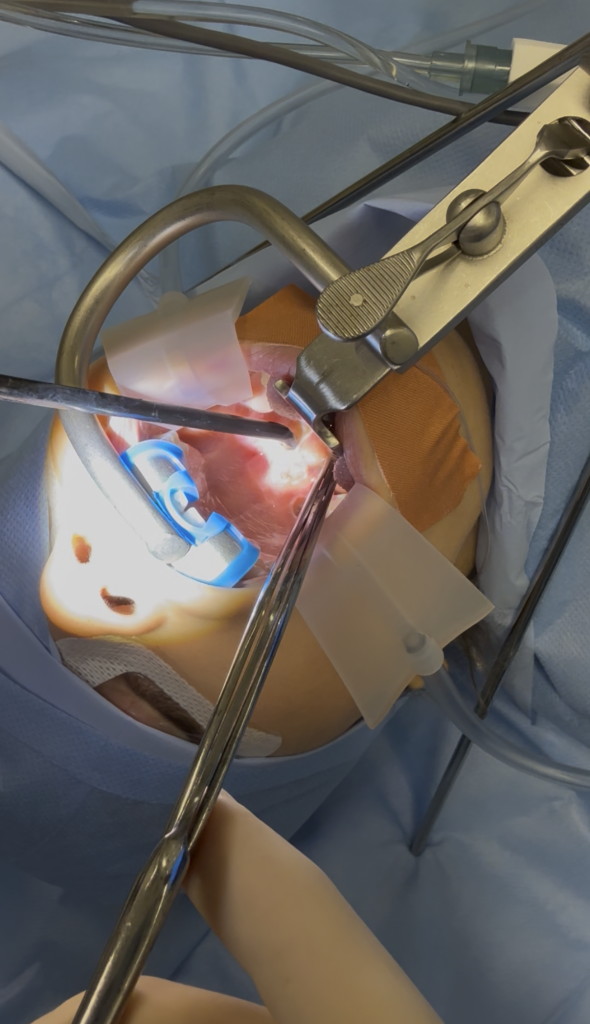
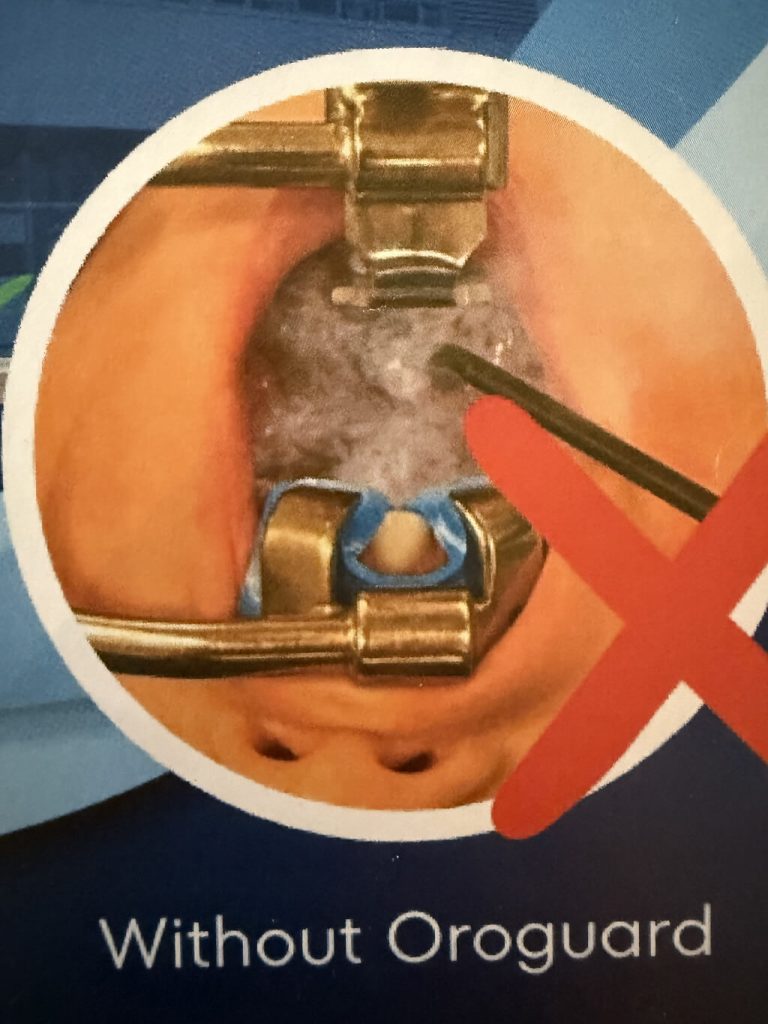
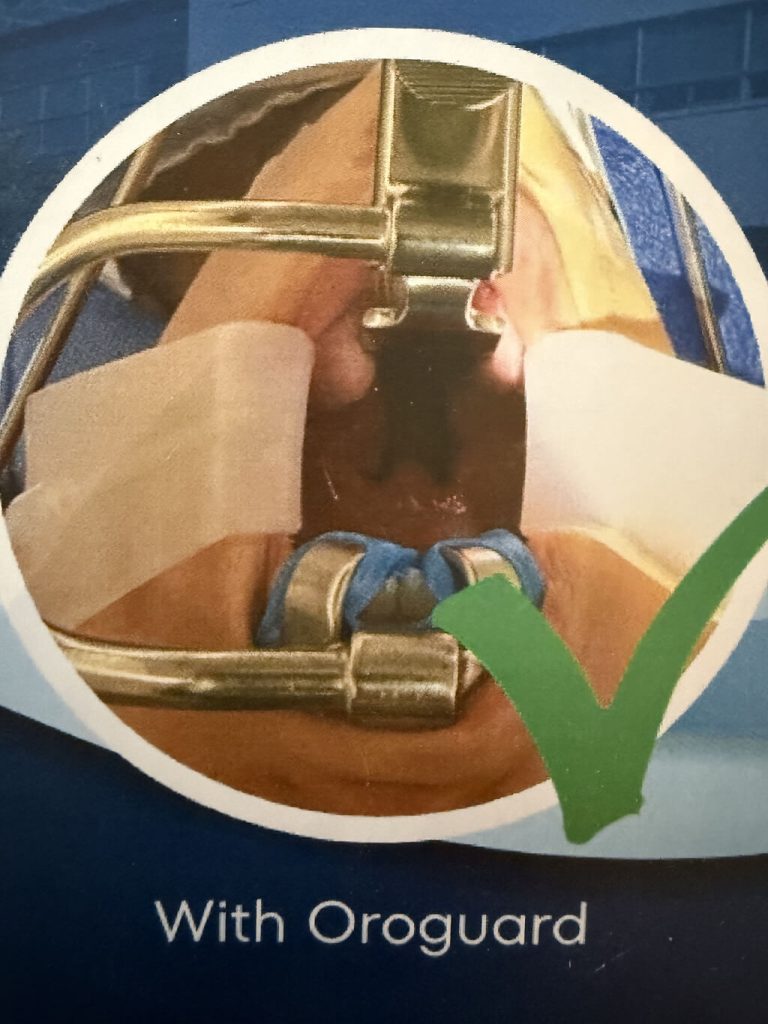
Adenoidectomy
When performing an adenoidectomy, the removal of surgical plume is vital to enable adequate vision. Whether using suction diathemy/bovie or coblator or another electrosurgical instrument surgical plume/vapour can fill the nasopharynx and obscure the surgeon’s view. By providing continuous suction the Oroguard removed the plume and keeps the filed clean and clear making for a more precise, accurate and efficient operation.
Compatible With Your Preferred Technique
Oroguard works alongside your chosen dissection method, including:
- Coblation
- Bovie, mono and bipolar
- Steel and ties
- BiZact
- Harmonic scalpel
- Any surgical technique
Protect your patients. Protect your team. Order Oroguard today and make plume management a standard part of every procedure.
Table 2. Mean nanoparticle concentration by tonsillectomy technique (adapted from Law et al., 2024⁶)
| Technique | Mean nanoparticle concentration (particles/cm³) |
|---|---|
| Microdebrider | 5,140 |
| Bovie (manual suction) | 30,700 |
| Bovie (built-in evacuation) | 25,001 |
| Coblator — no suction | 54,814 (highest) |
| Coblator + source suction device | 2,395 (lowest) |
Reference 6: Law AJK, et al. Nanoparticle Concentration in Surgical Plume During Tonsillectomy: A Comparison of Four Techniques. Laryngoscope. 2024.
References
Suction cautery and electrosurgical risks in otolaryngology. Int J Pediatr Otorhinolaryngol. 2008.
Lee E, Elzomor A, Boulos S, et al. Rare electrosurgical complications in tonsillectomy: analysis of national adverse event reporting. Laryngoscope. 2019. PMID: 31294839. 3.
Shah R, Shah HP, Rohrbaugh T, et al. Comparing nationally reported adverse events associated with coblation vs. PlasmaBlade for tonsillectomy. Am J Otolaryngol. 2023;44(4):103894; U.
SFDA MAUDE Database, ArthroCare Corporation Coblation Wand adverse event reports.
Law et al., Laryngoscope 2024 — a cross-sectional comparison of nanoparticle concentration across four tonsillectomy techniques, with and without added source suction (n=70 patients).